
Holistic Addiction Treatment in West Palm Beach, FL
We understand substance addiction can be difficult to overcome. That’s why Beachway offers holistic rehab treatment in West Palm Beach, Florida, to give patients the best chance of overcoming their addiction issues.



It’s not a one-size-fits-all approach to therapy. For every case, we rely on the team, and we listen to what you have to say. We’re truly invested in your recovery.
— Carrie Carlton, Lead Therapist,
Beachway


Experience Holistic Addiction Rehab in Florida
In the United States, 54.2 million people struggled with addiction in 2023. However, only 23% of these people pursued recovery from drug and alcohol addiction.
Patients who don’t receive addiction treatment risk severe life consequences and even death. Seeking help for addiction isn’t something a person should delay, as its effects can be profound on both physical health and mental well-being.
Beachway Therapy Center takes a holistic approach to addiction treatment by focusing on therapies that promote a sense of well-being and balance while addressing underlying trauma, anxiety, depression, and other mental health conditions. Our holistic treatment program supports each patient with unique, healthy, and positive strategies that can impact their lives well beyond treatment.
Recovering from addiction involves healing the mind, body, and spirit. Holistic treatment goes beyond physical detox and intervention — it’s complex and all-encompassing, incorporating nutrition, mindfulness meditation, physical therapy, trauma-informed care, and other holistic-focused therapy approaches that work synergistically with traditional mental health treatment.
The combination of holistic therapies with traditional addiction treatment and psychotherapy is scientifically proven to improve recovery outcomes. This strategy allows patients to learn techniques for overcoming their addiction while simultaneously addressing mental health issues, processing trauma, and boosting their overall well-being. A comprehensive, holistic therapy program allows residents to heal from addiction and live their best lives with improved emotional regulation and resilience.
Our Holistic Therapy Offerings:
- ART THERAPY GROUPS
- EQUINE THERAPY
- MUSIC THERAPY GROUPS
- PSYCHODRAMA THERAPY
- NUTRITION GROUPS
- RECREATIONAL THERAPY
- MASSAGE THERAPY & ACUPUNCTURE
- NEUROTHERAPY/NEUROFEEDBACK
- TRAUMA-INFORMED YOGA
What to Expect from Holistic Rehab Programs
When it comes to addiction treatment, patients are faced with many options and approaches. Holistic rehab is a type of addiction treatment that incorporates the mind, body, and spirit while specifically addressing how trauma, mental health conditions, and emotional dysregulation contribute to substance abuse patterns.
The word “holistic” refers to treating the whole person, including their psychological, emotional, spiritual, and physical needs. Beachway doesn’t believe in a one-size-fits-all approach to addiction treatment, forcing people into a single program. Our patients come from different backgrounds with unique circumstances, trauma histories, and mental health presentations. Their life experiences, mental health conditions, jobs, family dynamics, and much more contribute to their well-being.
A holistic rehab program treats the whole person rather than just addiction symptoms, recognizing that lasting recovery requires addressing root causes including unresolved trauma, mental health conditions, and spiritual disconnection.
Is Holistic Therapy a Good Option for Mental Health and Addiction?
Rather than treating addiction as an isolated issue, holistic therapy takes a whole-person approach that focuses on mental, physical, spiritual, and emotional well-being while specifically addressing co-occurring mental health conditions. Beachway creates customized treatment plans based on patients’ unique needs, backgrounds, trauma histories, mental health presentations, and personal interests.
According to studies, a holistic approach to addiction treatment can create a safe and stable environment where patients can focus on overcoming their addiction, process trauma, deal with mental health issues, learn life skills, and improve their physical health. This strategy gives them the tools they need to beat their addiction and maintain a successful, sober lifestyle after treatment.<
Research demonstrates that holistic approaches can be particularly effective for individuals with trauma histories, as they engage different parts of the brain and nervous system that may be difficult to access through traditional talk therapy alone. For patients with anxiety, depression, PTSD, or other mental health conditions, holistic therapies provide alternative pathways to healing and emotional regulation.
A recent study shows that those who received holistic addiction treatment realized an improvement in psychosocial functioning, including social interactions and completing daily tasks. These benefits were still present 5-10 years after treatment. Patients undergoing addiction treatment with an emphasis on holistic therapy also experience higher satisfaction and success rates than those undergoing isolated addiction treatment therapy.
Important Considerations and Safety Guidelines
While holistic therapies offer many benefits, our clinical team carefully evaluates each patient to ensure appropriate treatment selection. Some considerations include:
- Medical Clearance: Certain physical activities require medical approval
- Trauma History: Some therapies may initially increase anxiety for trauma survivors
- Mental Health Status: Acute psychiatric symptoms may require stabilization before certain holistic interventions
- Individual Preferences: Not all holistic approaches resonate with every person
- Supervised Implementation: All holistic therapies are conducted by qualified, licensed practitioners or under clinical supervision
Holistic Therapy vs. Psychotherapy: Integrated Treatment for Best Outcomes
Psychotherapy is a traditional therapeutic approach that focuses on treating specific mental health issues, such as depression, anxiety, bipolar disorder, and post-traumatic stress disorder. It uses structured, evidence-based techniques, including cognitive behavior therapy and dialectical behavior therapy, to help individuals identify specific triggers and find effective methods to overcome them.
Holistic therapy takes a whole-person approach that concentrates on physical, mental, emotional, and spiritual well-being. It uses alternative treatment options, such as trauma-informed yoga, meditation, acupuncture, and equine therapy, in conjunction with psychotherapy rather than replacing it.
At Beachway, we integrate both approaches because:
- Traditional psychotherapy provides essential cognitive and emotional processing skills
- Holistic therapies engage the nervous system and body in ways that support trauma healing
- Combined approaches address both conscious and unconscious patterns
- Patients develop a broader toolkit for managing triggers and stress
- Integration supports long-term recovery by addressing multiple aspects of healing
While psychotherapy plays a vital role in addiction recovery, a comprehensive, integrated approach gives patients the tools and skill sets they need to be successful long-term while addressing the complex interplay between mental health and addiction.
Therapeutic Spa Treatments to Support Addiction Recovery and Mental Health
While other treatment facilities focus solely on counseling, therapy, and detox — all crucial steps in addressing addiction — Beachway Therapy Center focuses on holistic treatments that contribute to a complete sense of well-being and nervous system regulation. As patients work to confront the impact addiction has had on their lives and process difficult emotions or trauma, it’s essential to allow time for nervous system reset, relaxation, and self-care practices.
This helps ensure a positive outlook, reduces cortisol levels, and increases the chance of successful recovery. Research shows that chronic stress and trauma dysregulate the nervous system, making recovery more challenging. Our spa treatments help restore nervous system balance while patients learn healthy self-care practices.
Our spa services include:
- Massage Therapy – reduces cortisol, increases oxytocin, supports trauma recovery
- Chiropractic & Acupuncture Services – addresses physical tension from stress and trauma
- Salon and Spa Services – promotes self-care and positive self-image
- Recreational Therapy – builds confidence and healthy coping skills
Spa services allow patients to relax, practice mindfulness, and focus on positive, healthy behaviors while learning to regulate their nervous system naturally. When our patients feel physically relaxed and emotionally grounded, they’re better able to engage in the challenging work of recovery and are more motivated to continue addiction treatment.
We understand the value of self-care and its importance to long-term recovery and mental health stability, so we offer on-site spa services at our holistic recovery center in Florida. Spa therapy can promote a positive mindset to help residents manage the challenges they may face during the recovery process, while also helping them create healthy self-care habits they can take with them as they transition to outpatient care. Regular spa services can also reduce withdrawal symptoms and anxiety, making the first steps to recovery easier to handle.
Nutrition for Addiction Recovery and Holistic Mental Health Healing
Beachway is proud to have a registered and licensed dietitian and nutritionist with a master’s degree in public health as part of our recovery team. Karen M. Gauci’s specialties include nutritional evaluation, counseling, and diet recommendations for weight management, chronic disease risk reduction, health promotion and wellness, sports nutrition, pediatrics, eating disorders, substance abuse, and psychiatric problems. She also offers assistance in menu planning, label reading, and proper portion control.
Mental health and addiction impact the body’s systems in complex ways. People who abuse substances such as alcohol and drugs are often severely malnourished, which can exacerbate mental health symptoms like depression, anxiety, and cognitive dysfunction. Poor nutrition affects brain chemistry, neurotransmitter production, and the body’s ability to manage stress and regulate emotions.
The connection between nutrition and mental health includes:
- Neurotransmitter Production: Amino acids from protein create serotonin, dopamine, and other mood-regulating chemicals
- Blood Sugar Stability: Balanced nutrition prevents mood swings and anxiety spikes
- Inflammation Reduction: Anti-inflammatory foods support brain health and emotional regulation
- Gut-Brain Connection: Healthy gut bacteria influence mood, anxiety, and cognitive function
- Nutrient Deficiencies: Deficits in B vitamins, omega-3s, and minerals can worsen mental health symptoms
At Beachway, we value the importance of nutrition therapy and fitness and integrate healthy eating into our holistic therapy approach. This technique includes developing individualized nutrition plans designed to meet the unique dietary needs of each patient while supporting mental health recovery. Vitamin supplementation is used when larger doses of vitamins for addiction recovery and mental health support are recommended. We also rely on the vitamins and nutrients found in our chef’s menu, which offers a range of flavorful, healthy foods designed to support brain health and emotional stability.
Holistic Addiction Care with Equine Therapy
Therapeutic riding was first introduced in Germany to treat certain orthopedic conditions. Patients were matched with a physiotherapist and a horse trainer for a year to improve their condition and strength.
The popularity of equine therapy for addiction gradually grew and soon reached American shores. In 1969, the Professional Association of Therapeutic Horsemanship International (PATH Intl.) was founded in the United States to provide a range of equine-related therapies for those with disabilities. In 1999, the Equine Assisted Growth and Learning Association (Eagala) was formed to focus on the potential mental and emotional health benefits of equine therapy for drug abuse and mental health conditions.<
Equine therapy is particularly effective for:
- Trauma Recovery: Horses mirror human emotions, helping individuals recognize and process feelings
- Building Trust: Many people in recovery struggle with trust; horses provide non-judgmental connection
- Anxiety Reduction: Interacting with horses naturally reduces cortisol and increases calming hormones
- Social Skills Development: Working with horses and team members builds communication skills
- Emotional Regulation: Horses respond to emotional states, teaching patients to manage their emotions
- Self-Confidence: Successfully connecting with powerful animals builds self-esteem
- Mindfulness Practice: Being present with horses requires focus and present-moment awareness
Our equine therapy program is facilitated by licensed mental health professionals and certified equine specialists, ensuring both safety and therapeutic benefit for patients with varying mental health needs and trauma histories.
Art Therapy for Addiction Recovery and Emotional Wellness
Art therapy at Beachway is a transformative approach to drug, alcohol, and mental health treatment. It allows individuals to explore and express their feelings creatively when traditional verbal communication falls short, which is particularly valuable for trauma survivors and those with alexithymia (difficulty identifying emotions).<
Since it provides a safe, nonverbal method of communicating feelings and emotions, it’s ideal for those who struggle with expression due to trauma, cultural factors, or neurological differences. This approach encompasses psychological theories, human development, and artistic traditions while being facilitated by licensed art therapists trained in mental health and addiction recovery.
Art therapy specifically supports mental health by:
- Trauma Processing: Creating art can help process traumatic memories stored in non-verbal parts of the brain
- Emotional Regulation: Art-making activates the parasympathetic nervous system, promoting calm
- Self-Discovery: Creative expression reveals unconscious thoughts and feelings
- Anxiety Reduction: Repetitive artistic activities can reduce anxiety and intrusive thoughts
- Depression Management: Creative accomplishment releases dopamine and builds self-worth
- Communication Enhancement: Art provides a bridge when words aren’t enough
Patients can participate in creative activities that foster visual communication, personal breakthroughs, self-confidence, and emotional healing, which are critical for self-discovery and relapse prevention. Art therapy encourages engagement across multiple areas of the brain, helping individuals navigate complex emotions and trauma through the creation of art without imposing interpretations on the outcomes.
Engaging multiple areas of the brain through creative activities provides stress release, stimulates neuroplasticity, improves cognitive functioning, and boosts mood. This approach integrates seamlessly with our traditional dual diagnosis treatment program, making art therapy a pivotal element of comprehensive recovery that addresses both addiction and mental health.
Healing Through Music Therapy Groups in West Palm Beach
Music therapy at Beachway Therapy Center integrates a comprehensive approach to mental health and addiction recovery, focusing on the whole person rather than just the disorder. Accredited by the American Music Therapy Association (AMTA), our program leverages active and receptive methods, which range from instrument playing to therapeutic listening, all facilitated by board-certified music therapists.
Our music therapy program considers the musical interests and preferences of each patient while addressing their specific mental health needs and trauma history. This personalized approach ensures cultural sensitivity and maximizes therapeutic benefit.
Music therapy provides specific mental health benefits:
- Dopamine Release: Music naturally increases dopamine, supporting recovery from substance-induced brain changes
- Emotional Regulation: Rhythm and melody help regulate the nervous system and manage intense emotions
- Memory Processing: Music can help access and process traumatic or difficult memories safely
- Social Connection: Group music-making builds healthy relationships and reduces isolation
- Anxiety Reduction: Specific musical interventions can lower cortisol and activate relaxation responses
- Depression Support: Creating and listening to music increases serotonin and endorphins
- Cognitive Enhancement: Musical activities improve attention, memory, and executive functioning
This versatile treatment approach helps manage various emotional, physical, and cognitive challenges linked to substance abuse and mental health issues. With evidence-based methods, such as Dalcroze Eurhythmics, the Bonny Method, Kodály, Neurologic Music Therapy, and Orff Schulwerk, we aim to foster emotional healing, reduce stress levels, enhance cognitive functions, and improve communication and motor skills.
Music therapy is scientifically proven to activate pleasure centers in the brain, reduce pain, and assist in emotional and physical rehabilitation. Our music therapy program is a powerful tool in crafting a holistic and effective path toward recovery and mental wellness.
Psychodrama Therapy for Addiction Recovery and Emotional Growth
Psychodrama therapy at Beachway Therapy Center is an innovative and experiential approach to addiction and mental health recovery. This approach utilizes role-playing and action-based therapy to deeply explore and address underlying emotional wounds, trauma, and relationship patterns.
Developed by Jacob Levy Moreno, psychodrama therapy encourages authentic self-expression within a supportive environment, which fosters self-awareness and healing while being particularly effective for individuals who have difficulty accessing emotions through traditional talk therapy.
Psychodrama is especially beneficial for:
- Trauma Survivors: Action-based therapy can access trauma stored in the body and nervous system
- Relationship Issues: Role-playing helps practice new ways of relating to others
- Emotional Expression: Movement and action help release stuck emotions
- Social Anxiety: Practicing social situations in a safe space builds confidence
- Family of Origin Work: Exploring childhood patterns and wounds
- Addiction Triggers: Role-playing high-risk situations to build coping skills
Encompassing three key phases — Warm-Up, Action, and Sharing — participants engage in guided activities that uncover new insights and promote healthier behaviors while being facilitated by licensed mental health professionals trained in psychodrama techniques. Integrated within Beachway’s comprehensive treatment framework, psychodrama offers a dynamic and transformative path toward recovery for patients who opt in, complementing other therapeutic modalities for a holistic healing experience.
For example, role-playing can help individuals identify the underlying causes of their addiction, better understand the impact their addiction has on relationships, develop coping strategies and life skills for reestablishing those relationships, and practice difficult conversations or situations they may encounter in recovery.
The Role of Neurotherapy in Holistic Addiction Treatment Programs
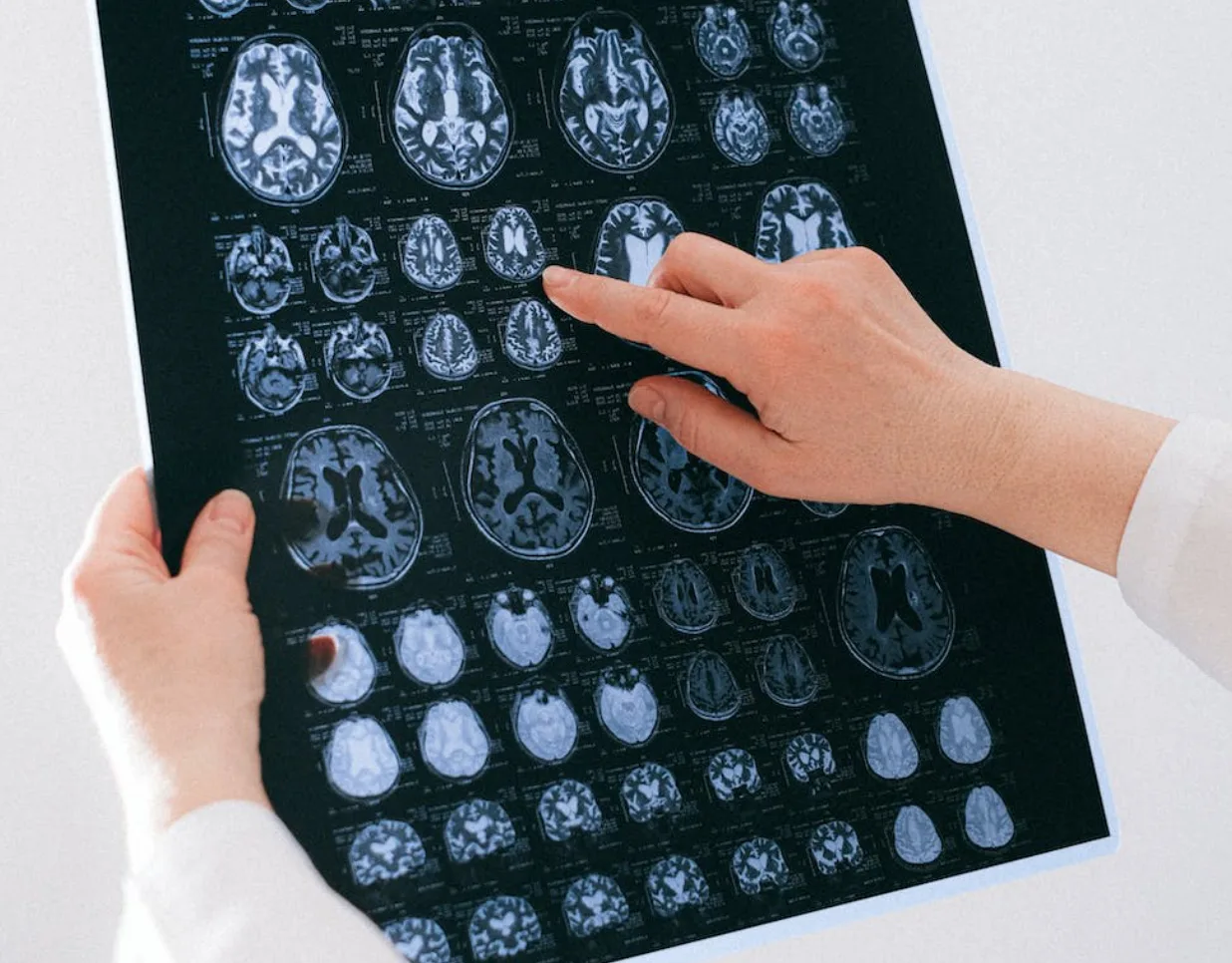
Beachway Therapy Center uses cutting-edge, evidence-based therapy to give patients the greatest opportunity for recovery from their addiction and co-occurring mental health conditions. Neurotherapy, also referred to as neurofeedback, is one of these scientifically-supported techniques. This modern, brain-based approach has demonstrated significant results in treating addiction and certain mental health disorders, such as anxiety, ADHD, depression, and PTSD, by retraining the brain’s response patterns.
Neurotherapy specifically addresses:
- Addiction-Related Brain Changes: Helps restore healthy brain wave patterns disrupted by substance use
- Anxiety Disorders: Trains the brain to maintain calm states and reduce hypervigilance
- Depression: Supports healthy brain wave patterns associated with improved mood
- ADHD: Improves attention and impulse control through brain training
- PTSD: Helps regulate fight-or-flight responses and promotes nervous system balance
- Sleep Disorders: Addresses insomnia and sleep disturbances common in early recovery
Licensed neurotherapy practitioners place electrodes at specific points on a person’s scalp to monitor brain activity and assess how their brain reacts to certain triggers and stimuli. Through real-time feedback, integration with talk therapy, and a rewards-based system, experienced therapists teach individuals to recognize these triggers and retrain their brains to respond differently.
For example, neurotherapy can retrain a patient’s brain to remain calm during stressful situations that might otherwise trigger substance use. It’s also scientifically shown to help improve concentration, reduce cravings, and alleviate symptoms of anxiety and depression by promoting healthier brain wave patterns.
Neurotherapy can be a critical component of a holistic treatment plan by addressing the neurobiological aspects of addiction and mental health conditions. When combined with other holistic practices, such as meditation and nutritional counseling, it helps promote healthier emotional regulation and cognitive functions while addressing the brain-based components of addiction and mental health disorders.
Supporting Recovery with Yoga and Recreational Therapy
Patients can expect to put in significant emotional and psychological work toward their recovery, which is why reinforcing the idea of being kind to oneself and caring for the body is essential for sustainable healing. Some recreational therapy activities we offer include trauma-informed yoga, meditation, swimming, and recreational therapy activities designed to support mental health and addiction recovery.
Trauma-informed yoga and recreational therapy specifically support recovery by:
- Nervous System Regulation: Gentle movement helps activate the parasympathetic nervous system
- Body Awareness: Many people in recovery are disconnected from their bodies; yoga rebuilds this connection
- Grounding Techniques: Physical activities help individuals stay present and reduce dissociation
- Stress Management<: Exercise naturally reduces cortisol and increases mood-regulating neurotransmitters
- Trauma Integration: Movement can help release trauma stored in the body
- Self-Efficacy: Accomplishing physical goals builds confidence and self-worth
Yoga and recreational therapy are known to:
- Ease withdrawal symptoms: Exercise can help relieve withdrawal symptoms and reduce cravings
- Release endorphins: Scientists have proven that endorphins are released during exercise, creating natural mood elevation that supports recovery from substance-induced brain changes
- Increase self-esteem: In many cases, patients suffer from low self-esteem due to addiction and mental health struggles. Accomplishing fitness goals and getting in shape can help rebuild self-worth
- Create positive habits: Working out in rehab allows patients to develop healthy coping mechanisms they can carry with them after treatment
- Build social connections: Group activities foster healthy relationships and reduce isolation
- Improve sleep: Regular exercise helps regulate sleep patterns often disrupted by addiction and mental health conditions
Our yoga and recreational therapy programs are modified to accommodate various physical abilities, trauma histories, and mental health presentations, ensuring that all patients can benefit regardless of their starting point.
Addressing Mental Health and Addiction with Holistic Therapy
Beachway digs deeper, reaching the root issues of addiction to address mental health concerns, such as anxiety, depression, bipolar disorder, PTSD, and personality disorders. Mental health issues are often found at the heart of drug and alcohol addiction, with many individuals initially using substances to self-medicate untreated mental health symptoms or cope with trauma.
In 2020, 1 in 15 adults in the United States experienced mental illness and addiction simultaneously. Because both disorders can exacerbate each other in complex ways, proper diagnosis and integrated treatment are critical to developing a dual diagnosis recovery program< that addresses both conditions effectively.
Our holistic approach to dual diagnosis includes:
- Integrated Treatment Planning: Mental health and addiction treatment are coordinated, not separate
- Trauma-Informed Care: Recognizing that trauma often underlies both addiction and mental health conditions
- Medication Management: When appropriate, psychiatric medications support holistic healing
- Family Involvement: Addressing family dynamics that may contribute to both conditions
- Peer Support: Connecting with others who understand both mental health and addiction challenges
Dual Diagnosis Treatment in West Palm Beach, FL
Individuals struggling with addiction can feel trapped by mental health issues. Even if they want to recover from addiction, untreated mental health disorders can become primary drivers for continuing to abuse drugs or alcohol as a form of self-medication. This is why dual diagnosis treatment in a holistic recovery center is essential for lasting recovery.
By coupling mental health and dual diagnosis treatment with holistic practices, mental health conditions and addiction can be treated simultaneously and comprehensively for long-term recovery success.
Common dual diagnosis presentations we treat include:
- Depression and Substance Abuse: Addressing both the underlying sadness and the substances used to cope
- Anxiety Disorders and Addiction: Treating both the anxiety and the substances used for self-medication
- PTSD and Substance Abuse: Healing trauma while building healthy coping mechanisms
- Bipolar Disorder and Addiction: Stabilizing mood while maintaining sobriety
- Personality Disorders and Substance Abuse: Building emotional regulation skills and healthy relationships
Guiding You Toward Full Recovery in West Palm Beach
When rehab programs neglect the mental health aspect, substance abuse often recurs because deeper psychological and emotional issues remain unaddressed. Beachway’s dual diagnosis therapy complements holistic drug and alcohol treatment to make recovery sustainable and comprehensive. Intensive traditional treatment is paired with healing holistic therapies, including massage, chiropractic care, and other nervous system regulation services.
Ongoing Support for Lasting Addiction Recovery and Mental Health Stability
Mental health conditions require long-term, continuous support to help patients learn to live well with these conditions while maintaining sobriety. Ongoing outpatient treatment is a critical component of recovery and can prevent relapse by providing continued mental health support and addiction recovery tools.
We use various therapeutic techniques to help individuals manage their mental health issues and maintain recovery, including:
- Individual and group therapy
- Family therapy and family education
- Cognitive behavioral therapy (CBT)
- Dialectical behavior therapy (DBT)
- Eye movement desensitization and reprocessing therapy (EMDR)
- Solution-focused therapy
- Art therapy and expressive therapies
- Recreational therapy and movement-based interventions
- Medication management and psychiatric support
- Peer support and alumni programs
Outcome Measurement and Success Tracking: Our holistic approach includes regular assessment of both addiction recovery and mental health progress through:
- Standardized mental health assessments
- Addiction recovery milestone tracking
- Quality of life measurements
- Family and relationship functioning evaluations
- Vocational and educational goal achievement
- Long-term follow-up and alumni support
Individuals don’t have to face their addiction and mental health challenges alone. Our holistic rehab in Florida offers a comprehensive, integrated approach to breaking free from addiction while addressing underlying mental health conditions, moving forward for long-term success and emotional wellness.
Insurance and Payment Considerations: Many holistic therapies are covered under comprehensive addiction treatment programs. Our admissions specialists work with patients and families to understand insurance coverage for both addiction treatment and mental health services, ensuring that financial concerns don’t prevent access to comprehensive care.