


Neurotherapy & Brain Mapping for Mental Health
Neurotherapy & Brain Mapping for Mental Health
Mental Heatlh treatments are rapidly evolving, and exploring innovative approaches allows rehab experts to use cutting-edge techniques to support their patients during recovery. Neurotherapy for mental health and substance use disorder is an exciting development that can help people retrain their brains to develop healthier habits and thought patterns. The therapy enables clinicians to respond to each patient’s unique brainwaves, making it a potentially beneficial addition to a holistic treatment plan.
Beachway’s Neuro-Science Program goes beyond standard neurofeedback. Using QEEG brain mapping and our proprietary triple-modality approach combining pEMF entrainment, vibroacoustic therapy, and infrared BioMat technology, we create personalized protocols that address the root neurological causes of mental health disorders, trauma, and substance use.

What Is Neurotherapy or Neurofeedback?
Neurotherapy is an evidence-informed approach that uses real-time brain activity data to guide treatment. By recording and analyzing your brain’s electrical patterns through an electroencephalogram (EEG), clinicians can see exactly which areas of your brain are over-stimulated, under-stimulated, or functioning outside healthy ranges.
This objective, physiological data cannot be influenced by effort or subjective perspective, giving clinicians an unbiased window into how your brain is actually functioning. From there, individualized treatment protocols are designed to help the brain restore balance, build healthier neural pathways, and reduce symptoms at their source.
Neurotherapy can be used as a standalone treatment or integrated with traditional therapies like cognitive behavioral therapy (CBT), medication management, and holistic approaches for a comprehensive recovery plan.
Neurotherapy treatment, also known as neurofeedback therapy, is a procedure that helps people gain control over their brain activities. Clinicians use neurotherapy to treat multiple conditions, including:
- Anxiety
- Depression
- Attention deficit hyperactivity disorder (ADHD)
- Epilepsy
- Chronic pain
- Schizophrenia
- Insomnia
- Addiction
During a neurotherapy session, a qualified therapist attaches electrodes to the patient’s scalp to monitor their brain signals. The electrodes attach to the head using stickers or a specialized headset, making the treatment non-invasive and painless. The electrodes pass information to a computer, allowing the therapist to see how the brain reacts to stimuli in real time.
Practitioners use this information to help patients understand how their brains process certain triggers. They then help the person recognize these reactions as they happen and gain control over their brainwaves. For example, therapists can deliver targeted instruction to teach a person how to produce alpha brainwaves to induce calm or beta waves to improve focus.
Many neurotherapy treatment models use a straightforward computer game format to encourage greater control over brain wave activity. The therapist provides a stimulus, such as a sound or picture, and asks the patient to manifest certain brainwaves. When successful, the person receives a “reward” by achieving a goal in the on-screen game. These rewards can help reinforce positive thought patterns, making it easier to control brain processes that are usually subconscious.
Most people need multiple neurofeedback sessions to achieve symptom relief. For instance, a 2020 study exploring the antidepressant effect of neurotherapy provided participants with five treatment sessions, resulting in a significant improvement in their symptoms. The number of sessions required depends on several factors, including the reason for treatment and how responsive a person is to neurofeedback techniques.
Neurotherapy can be used alongside traditional addiction and mental health therapies as part of a holistic substance abuse disorder program. Beachway offers neurotherapy for drug and alcohol addiction to help patients break free from unhealthy thought and behavioral patterns and achieve lasting recovery.
Neurotherapy for a Wide Range of Mental Health Concerns
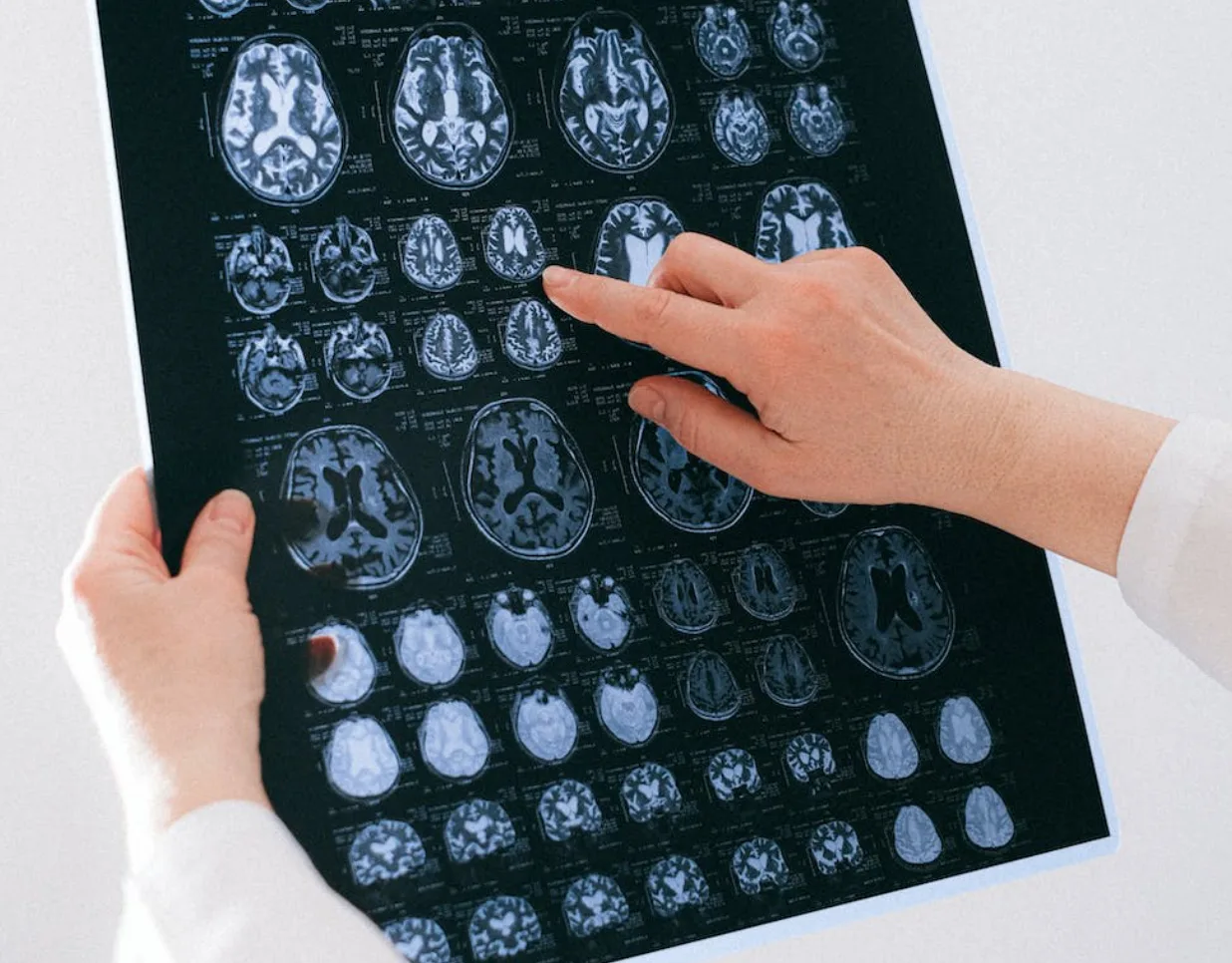
Brain mapping can identify the neurological signatures behind many conditions. A single brain map may reveal overlapping issues that traditional assessments miss.
Neurotherapy for addiction works by increasing control over certain brain functions central to addiction. Over time, the treatment can help change how the brain responds to rewards, enhance emotional regulation, and improve self-control. Furthermore, the ability to view the brain’s activities in real time allows therapists to deliver personalized treatments and assess each patient’s reactions more accurately than many other types of therapy. Research has shown that the addicted brain and the PTSD brain share remarkably similar neurological patterns, which is why our approach is effective for both trauma and substance use disorders simultaneously.
Another factor to consider is the connection between mental health problems and substance use disorder. Having a co-occuring substance use disorder and mental health disorder is often called a dual diagnosis. Often, people with anxiety, depression, and other mental health disorders use drugs or alcohol to cope with distressing symptoms. In turn, substance abuse can exacerbate mental health symptoms, leading to a vicious cycle of increasing drug use and worsening symptoms. Using neurotherapy to treat both disorders can help address the root cause of addictions while helping patients achieve freedom from substances.
Neurotherapy Success Rate
Determining the success rate of neurotherapy for addiction is challenging because most studies are small-scale and short-term. However, many people can use neurofeedback successfully. Generally, around 70% of people can learn to control their brain activity with regular neurotherapy treatment sessions.
Benefits of Neurotherapy Treatment
Neurotherapy offers several unique benefits for people with addictions. It may be a good option for people who want to avoid taking medications or feel worried about the side effects of other treatment models.
However, it’s worth noting that neurotherapy can occasionally cause side effects, and the risk is higher if an untrained therapist delivers the treatment. Most people reporting side effects of neurotherapy experience relatively mild symptoms, such as a dry mouth or sleepiness.
Another advantage of neurotherapy for addiction is its potential to treat mental health disorders. Managing stress, anxiety, and other mental health symptoms may increase the chances of successful addiction treatment for people with dual diagnosis.
How Beachway's Approach Is Different
Most treatment centers offering neurotherapy rely solely on standard neurofeedback, where clients watch videos or play games while brain activity is passively monitored. Beachway goes further.
Standard Neurofeedback
Passive monitoring with visual/audio feedback. The brain gradually learns new patterns through repetitive sessions over weeks. Typically addresses one modality at a time.
Beachway’s pEMF + Triple Modality
Active electromagnetic stimulation directly targets dysregulated brain regions identified by your personal brain map, while vibroacoustic frequencies and far-infrared therapy simultaneously address the body. Three modalities work together in every session.
Benefits of Our Neuro-Science Approach
Brain mapping provides physiological data that cannot be influenced by effort or subjective reporting, giving clinicians an unbiased foundation for diagnosis and treatment planning.
Objective & Precise
Factors such as moods and potential relapse triggers are highly personal. Therefore, customized, targeted interventions that recognize a person’s unique neurological characteristics can help increase the chances of lifelong recovery.
Fully Personalized
No two brains are the same. Every treatment protocol is individually designed based on your unique brain map, targeting the specific locations, frequencies, and patterns that need attention.
Measurable Results
Progress is tracked through follow-up brain maps, so you can see objective evidence of how your brain is changing and healing over the course of treatment.
Non-Invasive & Comfortable
The entire process is painless and medication-free. Clients relax on the vibroacoustic lounge with the BioMat’s soothing warmth while the pEMF does its work.
Addresses Root Causes
Rather than only managing symptoms, neurotherapy targets the underlying neurological dysregulation driving conditions like anxiety, depression, trauma responses, and cravings.
Integrates with Other Therapies
Neurotherapy works alongside traditional approaches like CBT, medication management, and holistic therapies as part of a comprehensive treatment plan designed for lasting recovery.
Utilize Neurotherapy for Addiction Treatment at Beachway
The clinical team at Beachway uses personalized, targeted neurotherapy treatment to support addiction and mental health recovery. Patients can receive neurotherapy for addiction as inpatients or outpatients alongside other therapeutic options. For example, many people use neurofeedback with other psychological treatments, such as cognitive behavioral therapy (CBT). Cognitive behavioral therapy is a type of counseling that encourages patients to develop positive thought and behavioral patterns.
Neurotherapy may also be helpful for people with a dual diagnosis. Beachway’s therapists use neurofeedback to treat both mental health disorders and substance abuse disorders to help patients understand and address the causes of their addictions. The clinic also offers rehab support to manage withdrawal symptoms and help people withdraw from drugs and alcohol safely.
No single treatment can cure substance addiction for every person, and neurotherapy is no exception. Beachway emphasizes treating the whole person with a holistic program designed to meet each individual’s physical, mental, and emotional health needs. Programs include a range of complementary treatments, including art therapy, equine therapy, and yoga. This holistic approach promotes healthy habits and a positive self-image for long-term healing. After treatment completion, the team provides regular aftercare to reduce the risk of relapse and provide ongoing support.
Starting an addiction treatment program can feel daunting, but recovery is achievable with professional support.