

The appropriate level of care depends on the severity of physical dependence, the presence of co-occurring mental health conditions, previous treatment history, and the stability of the home environment. Anyone with a history of severe withdrawal, prior detox, or daily heavy drinking typically requires inpatient treatment. A clinical evaluation at admission determines the right fit.
Alcohol Rehab
in West Palm Beach,
Florida

John’s Story
More than 6% of American adults live with alcohol use disorder (AUD) — and the majority never receive treatment. Alcohol addiction affects every dimension of a person’s life: health, relationships, career, and sense of self. But it is also one of the most treatable conditions in medicine. Beachway Therapy Center offers comprehensive, individualized alcohol rehabilitation in West Palm Beach, Florida, with a full continuum of care from medically supervised detox through long-term aftercare.
What Is Alcohol Use Disorder?
Alcohol use disorder is not a lack of willpower or a moral failing — it is a chronic brain disease. With prolonged heavy drinking, the brain’s chemistry changes fundamentally. Neurological pathways adapt to the presence of alcohol, making the body physically dependent on it to function. At that point, stopping without medical help is not just difficult — it can be dangerous.
The DSM-5 defines AUD on a spectrum from mild to severe, based on criteria including loss of control over drinking, continued use despite consequences, physical dependence, and withdrawal symptoms when not drinking.
Do I Have a Drinking Problem? Questions to Ask Yourself
If you are uncertain whether your drinking has crossed into addiction, ask yourself:
- Have you tried to cut back or stop drinking and found you couldn’t?
- Do you drink more, or for longer, than you originally intended?
- Has drinking caused you to neglect work, school, or family responsibilities?
- Have people close to you expressed concern about your drinking?
- Do you drink to manage anxiety, depression, or emotional pain?
- Have you experienced withdrawal symptoms — shaking, sweating, nausea — when you stopped or cut back?
- Do you hide how much you drink from people in your life?
- Have you continued drinking despite knowing it was harming your health or relationships?
A “yes” to any of these questions is a signal worth taking seriously. The earlier AUD is addressed, the more treatment options are available and the more quickly recovery can begin.

Alcohol Withdrawal: Why Medical Supervision Is Essential
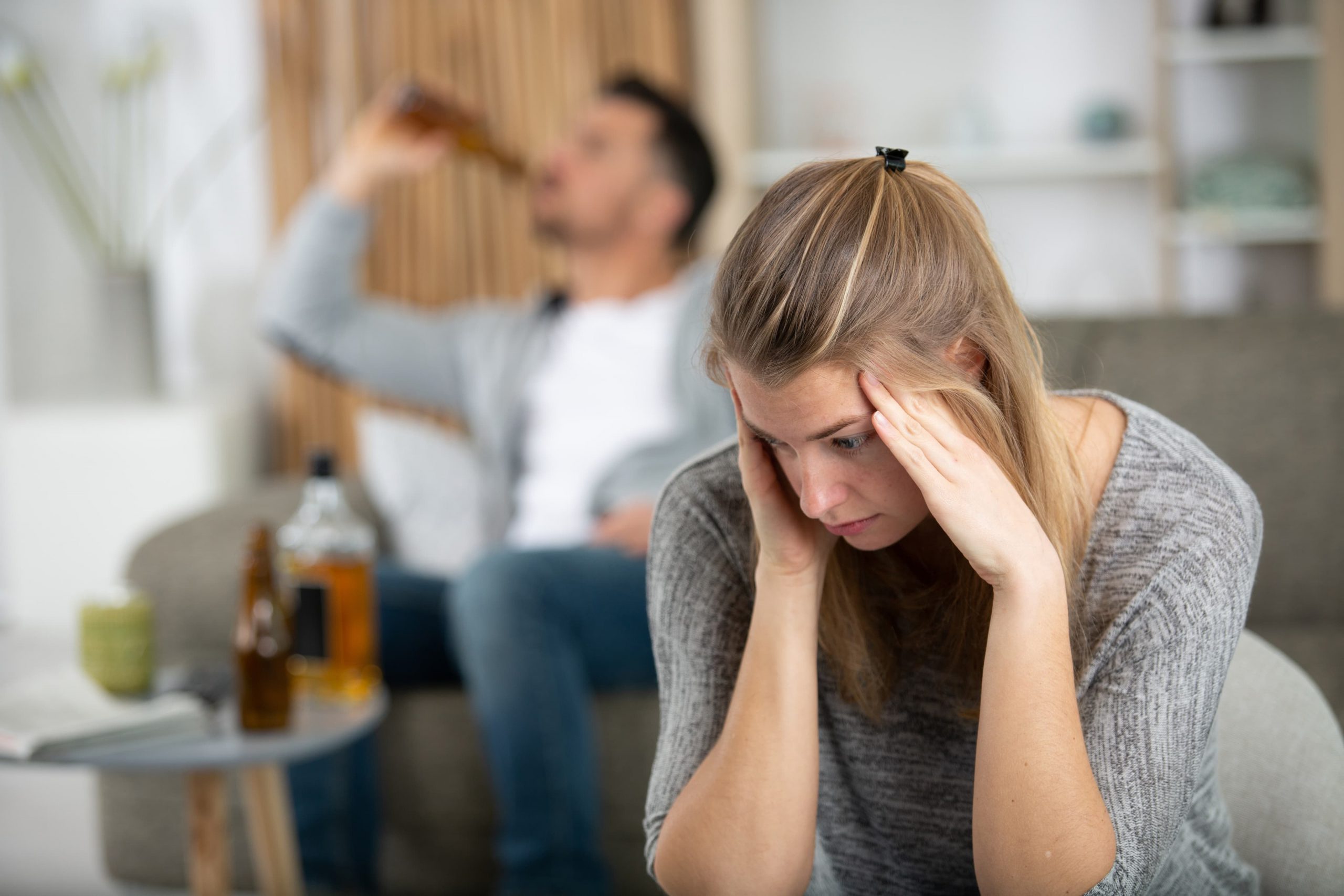
Alcohol withdrawal is one of the few forms of substance withdrawal that can be fatal. Unlike opioid or cocaine withdrawal, which are rarely life-threatening, alcohol withdrawal carries a genuine risk of seizures and a potentially deadly condition called delirium tremens (DTs).
Alcohol Withdrawal Symptoms
Symptoms typically begin 6 to 24 hours after the last drink and can intensify over the following 24 to 72 hours:
Mild to Moderate Symptoms
- Anxiety and irritability
- Tremors and shakiness
- Nausea and vomiting
- Sweating and elevated heart rate
- Headache and dizziness
- Insomnia and fatigue
- Loss of appetite
Severe Symptoms — Require Immediate Medical Attention
- Seizures (most likely 24–48 hours after the last drink)
- Hallucinations — visual, auditory, or tactile
- Delirium tremens: severe confusion, agitation, fever, and dangerous cardiovascular instability
The National Library of Medicine notes that withdrawal symptoms can appear anywhere from 8 hours to several days after the last drink, and residual symptoms can persist for weeks. The severity depends on the length and intensity of alcohol use, overall health, and prior withdrawal history.
Attempting to detox from alcohol alone at home is medically dangerous. Beachway’s medical detox program provides 24-hour nursing care, physician oversight, and medication management to keep patients safe and as comfortable as possible throughout withdrawal.

Alcohol Rehab Programs at Beachway
Beachway offers a full continuum of care — every level of treatment a person may need, in one integrated program. The appropriate level of care is determined through a comprehensive clinical evaluation at admission and adjusted as the patient progresses.

Detox is the essential first step for anyone with significant physical dependence on alcohol. At Beachway, patients receive round-the-clock nursing monitoring, daily physician visits, and psychiatric support. Medications including benzodiazepines (to prevent seizures), naltrexone, and acamprosate are used as clinically appropriate to manage withdrawal safely and reduce cravings.
Detox duration varies by individual — typically 5 to 10 days — depending on the severity of dependence and overall health.

Following detox, inpatient residential treatment provides the structure, clinical intensity, and immersive healing environment that serious alcohol use disorder requires. Patients live on-site at Beachway's West Palm Beach facility and receive:
- Individual therapy with a dedicated primary therapist
- Group therapy — peer accountability, shared experience, and community support
- Cognitive Behavioral Therapy (CBT) — restructuring the thought patterns that drive alcohol use
- Dialectical Behavior Therapy (DBT) — building emotional regulation and distress tolerance
- Dual diagnosis treatment for co-occurring mental health conditions
- Family therapy — equipping loved ones to support recovery and heal relational damage
- Holistic therapies — equine therapy, art therapy, yoga, meditation, and nutritional counseling
- 12-Step programming and peer support groups
Inpatient treatment typically lasts between 30 and 90 days, with length of stay determined by individual clinical need and progress.

PHP provides full-time clinical support — typically five to seven days per week, up to eight hours per day — without overnight residential stays. It is appropriate for patients who have completed inpatient care or whose dependence does not require 24-hour monitoring but who need more structure than standard outpatient care provides.

IOP allows patients to continue structured group and individual therapy while living at home or in sober living housing and resuming work, school, or family responsibilities. It is a critical bridge between residential treatment and independent recovery — maintaining therapeutic momentum and accountability during the vulnerable early transition back to daily life.

Recovery is a long-term process, and the period after formal treatment ends is when relapse risk is highest. Beachway's aftercare program includes ongoing outpatient therapy, 12-Step participation, sober living placement, community support groups, and access to Beachway's Alumni network — a community of people in recovery who understand the journey firsthand.


Dual Diagnosis: Treating Alcohol Addiction and
Mental Health Together
A significant percentage of people with alcohol use disorder also live with co-occurring depression, anxiety, PTSD, bipolar disorder, or trauma. In many cases, alcohol use began as a way to self-medicate painful mental health symptoms. In others, chronic alcohol use caused or worsened underlying conditions.
Treating addiction without treating co-occurring mental health conditions leaves the root cause unaddressed — and dramatically increases the risk of relapse. Beachway’s clinical team specializes in dual diagnosis treatment, ensuring that both the addiction and its underlying drivers are identified and treated simultaneously.

What a Typical Day in Alcohol Rehab Looks Like
Many people avoid seeking treatment because they don’t know what to expect. At Beachway, a typical day in residential treatment includes:
- Morning wellness activity — yoga, meditation, or physical exercise
- Individual therapy session with your primary therapist
- Group therapy session
- Educational workshop on addiction, recovery, or life skills
- Specialty therapy — equine, art, or expressive therapy
- 12-Step or peer support meeting
- Evening reflection or community activity
Every patient’s schedule is individualized based on their treatment plan, clinical needs, and personal goals. No two recovery paths look exactly alike.
The Role of Family in Alcohol Recovery
Alcohol addiction rarely affects only the person drinking — it reshapes family dynamics, erodes trust, and can create secondary trauma in partners, children, and parents. Beachway actively involves family members in the recovery process through:
- Family therapy sessions with the patient and their primary therapist
- Educational resources on addiction, enabling behaviors, and healthy communication
- Boundary-setting support for family members navigating a loved one’s recovery
- Referrals to family support groups including Al-Anon
Healing the family system strengthens the patient’s recovery and supports everyone involved.
Does Insurance Cover Alcohol Rehab?
The cost of treatment is one of the most common reasons people delay seeking help — but most health insurance plans cover alcohol rehab as a medically necessary service. Coverage varies by plan and provider, but many policies cover a significant portion of detox, residential, and outpatient treatment costs.
Beachway has insurance specialists on-site who will verify your benefits, explain your coverage in plain language, and walk you through financing options if needed — before you arrive.
Call 877-890-8251 and we’ll handle the insurance verification for you.
A Note on the Real Cost of Not Getting Help
The financial cost of continued alcohol use disorder — lost income, healthcare expenses, legal consequences, damaged relationships — almost always exceeds the cost of treatment. Recovery is not an expense. It is the most valuable investment a person can make.
Frequently Asked Questions About Alcohol Rehab
How do I know if I need inpatient or outpatient alcohol treatment?
What medications are used in alcohol treatment?
The most commonly used medications include benzodiazepines (during detox, to prevent seizures), naltrexone (reduces cravings and blocks alcohol's rewarding effects), acamprosate (reduces post-acute withdrawal symptoms like anxiety and insomnia), and disulfiram (creates an adverse reaction to alcohol consumption as a deterrent). Medication is always evaluated and managed by Beachway's psychiatric staff.
Can I keep my job while in alcohol rehab?
Many employers provide protections for employees seeking addiction treatment under the Family and Medical Leave Act (FMLA), which can secure your position during a leave of absence for treatment. Beachway's admissions team can provide documentation support. Employer-provided insurance often includes the most comprehensive coverage for inpatient treatment.
What happens if I've relapsed after previous treatment?
Relapse is a medically recognized part of the recovery process for many people — not a sign that treatment doesn't work or that recovery isn't possible. Each treatment experience builds insight and resilience. If previous treatment did not include dual diagnosis care or a robust aftercare plan, addressing those gaps often makes the difference in sustained sobriety.
How long does alcohol rehab take?
There is no universal answer. Detox typically takes 5 to 10 days. Residential treatment generally lasts 30 to 90 days. Many patients continue in IOP for several weeks after residential care. Long-term recovery maintenance through aftercare is ongoing. The appropriate duration is determined by individual clinical progress, not a fixed schedule.
Is everything I share in rehab confidential?
Yes. Addiction treatment is protected by strict federal confidentiality laws (42 CFR Part 2) that go beyond standard HIPAA protections. What you share in treatment cannot be disclosed without your explicit written consent.

Begin Alcohol Addiction Treatment at Beachway Today
Alcohol use disorder is a serious, progressive disease — but it responds to treatment. Thousands of people have walked through the doors at Beachway carrying the weight of addiction and left with the tools, insight, and support to build a genuinely different life.
That life is available to you.
Call Beachway at 877-890-8251 to speak confidentially with an admissions specialist. We’ll answer your questions, verify your insurance, and help you take the first step.
Beachway Therapy Center provides a full continuum of alcohol addiction care — from medical detox and inpatient residential treatment through PHP, IOP, and long-term aftercare — at our West Palm Beach, Florida facility.