
Skip to content

Toll Free. Privacy Guaranteed. No commitment.

Explore our Unique Clinical Programming!

Contact Us 24 hours a day, 7 days a week.

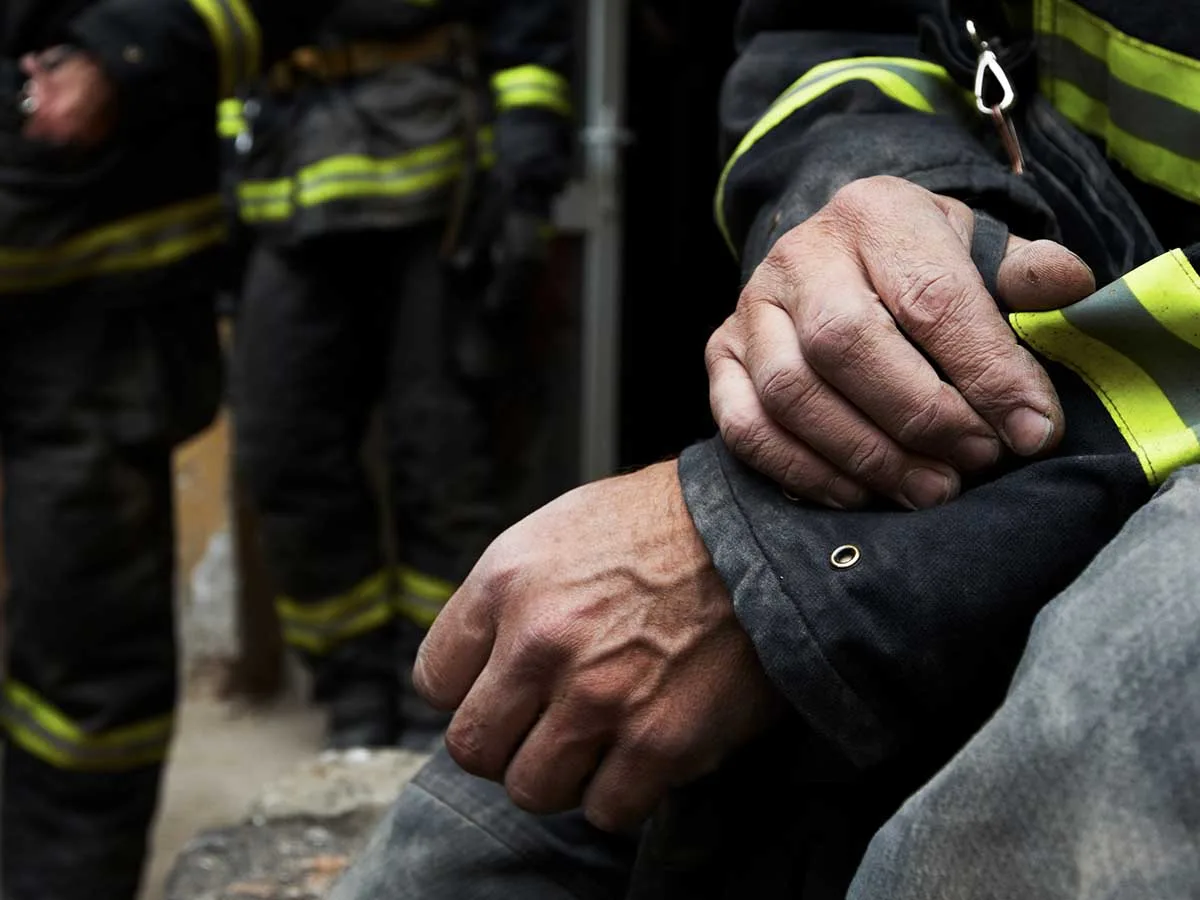
First responders are often first on the scene, and typically the last to seek help. After the Call is Beachway Therapy’s trauma-focused treatment program for first responders facing PTSD, trauma, and co-occurring substance use.

Our 45- to 90-day program provides a full continuum of care, including detox, residential treatment, partial hospitalization, and outpatient services.

Tailored for law enforcement, firefighters, EMTs, and veterans, our program combines peer support, evidence-based therapy, and holistic healing in a safe, confidential setting.

Table of Content

Choosing After the Call: A PTSD Program for First Responders

As a first responder, you’re subject to repeated exposure to trauma, often without sufficient time to process or recover from it.

Over time, these experiences can lead to serious mental health risks, including post-traumatic stress disorder, depression, substance use, and more:

  • Over 80% of first responders have experienced traumatic events on the job.
  • 10%-15% are diagnosed with PTSD, with EMTs facing the highest rates. Many develop behavioral health conditions like depression and PTSD.
  • 37% of fire and EMS professionals have contemplated suicide, nearly 10 times the rate of the general population.
  • Many first responders turn to substance use as a coping mechanism for job-related stress.

Beachway Therapy built After the Call to meet these challenges, offering care that speaks the language of first responders and understands the weight of this type of job.

With trauma-informed therapy, peer support, and a deeply personalized approach, this program helps first responders recover from PTSD and trauma in an environment that truly feels safe.

AdobeStock_326608263

Who We Help

After the Call is a program designed for those in first responder positions, including the following:

  • Police Officers: Sheriffs, deputies, and law enforcement personnel who carry the weight of public safety and often face critical incidents firsthand.
  • Firefighters: Both career and volunteer firefighters exposed to physical danger and traumatic emergency scenes.
  • Emergency Medical Technicians (EMTs): Including paramedics and ambulance personnel who respond to life-and-death situations daily.
  • Veterans: Former military service members from any branch who continue to face lingering trauma after their time in uniform.

If you serve others and have faced trauma in the line of duty, After the Call is here to serve you.


AdobeStock_326608263

First Responder PTSD Symptoms

If you’re wondering whether or not this is the program for you, it’s important to establish if you’re experiencing PTSD or other trauma-related symptoms.

Every person’s experience is unique; however, you and your loved ones should keep an eye out for the following first responder PTSD symptoms if you’re concerned:

  • Intrusive memories
  • Emotional numbness
  • Hypervigilance
  • Irritability or anger outbursts
  • Insomnia or disrupted sleep
  • Difficulty concentrating
  • Anxiety or panic attacks
  • Isolation
  • Increased substance use
  • Depression or hopelessness

These symptoms mirror those of PTSD in general, but often present uniquely in first responders due to repeated exposure to trauma, high-stakes decision-making.

Background image of ocean waves representing Florida therapy center location.

What Sets Our First Responder Trauma Program Apart

After the Call isn’t a generic PTSD program: it’s a trauma recovery environment that our team built from the ground up for those who have seen the worst and kept going.

Every part of this program supports first responders coping with PTSD, trauma, and related mental health challenges, using a blend of clinical expertise, cultural understanding, and compassionate care.

Here’s what sets After the Call apart from the rest – and why it’s best for your loved ones:

  • Specialized Staff: Our licensed clinicians are specifically trained in first responder PTSD and trauma therapy. They use evidence-based therapies like EMDR (Eye Movement Desensitization and Reprocessing), CBT (Cognitive Behavioral Therapy), and other trauma-focused modalities proven to help reduce symptoms and support recovery.
  • Tailored Environment: First responders need to feel safe before they can open up. That’s why we’ve created a confidential, structured setting that encourages trust, healing, and a strong sense of community.
  • Peer Support: You’ll be surrounded by people who get it. Peer-led groups provide participants with the opportunity to connect with others who have walked a similar path and understand what the job truly entails.
  • Holistic Healing Approaches: From yoga and mindfulness to equine therapy, sound baths, beach outings, and relaxation techniques, we integrate a variety of holistic practices to reduce stress and promote whole-body healing.
  • Integrated Care: First responders take part in both specialized trauma groups and broader therapy sessions. This dual approach helps address unique PTSD symptoms while encouraging broader emotional insight and resilience.

We not only offer a treatment plan, but a path back to yourself, guided by people who understand the realities of first responder trauma and how to move forward from it.


Woman sitting with her hands clasped, appearing thoughtful or concerned, while another person listens in the background.

How Our Program Work

From initial detox to intensive outpatient therapy, we craft every stage of After the Call to help first responders manage PTSD, reduce trauma symptoms, and rebuild emotional strength.

Here’s what you can expect from our first responder PTSD recovery program:

  • Length: 45 to 90 days, depending on clinical need and personal goals.
  • Care Levels: Detox, residential treatment, partial hospitalization (PHP), or intensive outpatient therapy (IOP).

Every element of our program is intentional, rooted in best practices for treating first responder trauma, and designed to foster long-term resilience and support.

Take the First Step Toward Confidential Help for First Responder PTSD

After you’ve spent your career answering the call, it’s time to answer your own. If you’re struggling with first responder PTSD or trauma. After the Call offers the care, community, and clinical support you need to heal.

First Responder PTSD FAQs:

What does a typical day look like in the program?

It depends! Our structured program balances individual therapy, group sessions, relaxation activities, and time for personal reflection.

How is this program different from other trauma programs?

It’s specifically designed for first responders, blending specialized groups with holistic care and evidence-based therapies.

Will insurance cover this first responder PTSD program?

Most insurance plans cover our program. However, you can contact us to verify your benefits.

Will getting treatment affect my job or future in the field?

Seeking help for PTSD or trauma does not automatically jeopardize your job. In fact, many departments support mental health treatment and view it as a sign of strength and professionalism. Our program is entirely confidential, and we can work with you to provide documentation or support that aligns with your return-to-duty goals.

How long is the PTSD treatment program for first responders?

The program typically lasts between 45 and 90 days, depending on the individual’s needs and clinical recommendations.